Milk: To drink or not to drink?
Milk is one of the most controversial foods in fitness and bodybuilding. Some consider it a superfood, rich in protein, minerals, and vitamins. Others avoid it due to lactose, fat, and calories. The truth is, the question is not "yes" or "no", but "how, when, and what kind of milk" to drink to reap the benefits and avoid the drawbacks.
Why is milk special?
- Protein: contains whey (fast-absorbing) and casein (slow-digesting), ideal for recovery.
- Vitamins and minerals: calcium, magnesium, potassium, vitamin B12.
- IGF-1 effect: skim milk can increase IGF-1 by 10–15% – important for muscle growth.
- Vitamins D and K: in whole milk – key for bones, immunity, and hormonal balance.
The downsides of milk
- Lactose: can cause bloating and discomfort.
- Fats: also contain estrogenic hormones.
- Calories: the combination of protein + carbohydrates + fats can quickly lead to excess.
Which milk to choose?
- Fresh milk with a shelf life of up to 7–10 days – less thermally processed.
- From pasture-raised cows – better fat profile and more omega-3.
- Skim milk – fewer calories and estrogens, more IGF-1 stimulation.
When and how to include it?
For muscle gain:
– After training: 300–400 ml skim milk + 30 g whey protein
– Before bed: 300–400 ml skim milk + 30 g slower-digesting protein, such as casein or a protein blend
For weight loss / definition:
It's better to avoid milk – calories and lactose can hinder a deficit.
Alternatives to milk
If you are lactose intolerant or want a pure form of protein with an amino acid profile similar to milk, you have excellent options:
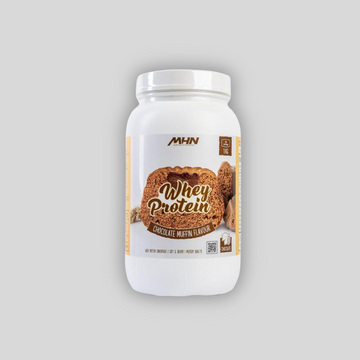
- Whey Protein Concentrate - MHN More Delicious Whey Protein – German raw material quality, delicious and complete.
- Whey Protein Isolate - Biliana Yotovska 100% Isolate – lactose-free, suitable for sensitive individuals.
- Whey Protein Isolate - ISO Whey Isolate with enzymes – for better absorption, BCAA and glutamine for recovery.
Conclusion
Milk is neither an enemy nor a miracle. If you have good tolerance – use it strategically. If not – choose high-quality protein powder. The important thing is to provide your body with the protein and nutrients that support muscles, bones, and hormonal balance.